Spooky Thighs: A Designer’s Review for Business Merch
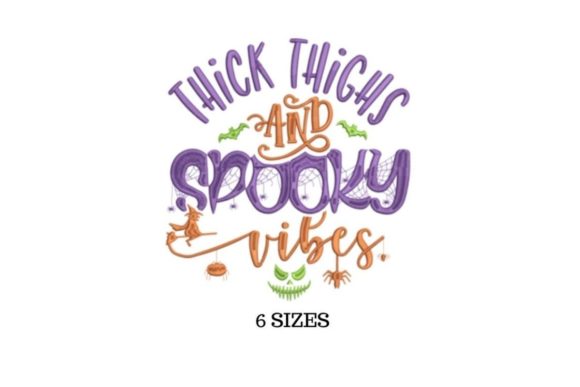
As an embroidery designer who has spent years digitizing files and consulting with small business owners, I approach every new machine embroidery design with a critical eye. It is not just about whether a motif looks cute on a screen; it is about how it translates to fabric, how it holds up in production, and whether it adds tangible value to a brand. Today, I am reviewing Spooky Thighs, a seasonal asset that promises to let creativity flow for brilliant decorations. For boutique owners, Etsy sellers, and apparel decorators, understanding the practical application of this design is crucial before adding it to your commercial portfolio.
First Impressions and Visual Personality
The title Spooky Thighs immediately suggests a playful, bold, and slightly irreverent tone. In the world of Halloween merchandise, standing out is essential. This design does not aim for subtle elegance or classic rustic charm. Instead, it leans into a modern, decorative aesthetic that feels handmade yet punchy. The description highlights an awesome applique technique, which is a significant advantage for production efficiency. Applique designs often reduce stitch count while maximizing visual impact, making them ideal for small business merch where turnaround time and material costs matter.
When I visualize this on a mockup, the design feels friendly rather than terrifying. This is a vital distinction for businesses like local bakeries, pet brands, or creative studios that want to participate in the holiday season without alienating their core customer base. The visual personality is accessible, making it a strong candidate for customer gifts or limited-edition drops that drive engagement without compromising brand safety.
Real-World Applications for Small Businesses
Let us move beyond theory and look at how Spooky Thighs performs in real business scenarios. The versatility of this digital embroidery file allows it to function across various product categories. Here is how I would recommend deploying it:
- Embroidered Patches: This is perhaps the strongest use case. An applique design translates beautifully to a patch format. You can produce batches of these patches to sell as standalone accessories or sew them onto denim jackets and tote bags. Patches allow customers to customize their own items, increasing the perceived value of your handmade product.
- Staff Uniforms and Aprons: For cafés and boutiques, seasonal staff uniforms create a cohesive team look. Embroidering this design on the chest pocket of an apron or the sleeve of a work shirt adds a festive touch. However, ensure the placement does not interfere with daily tasks. Apron embroidery should be positioned high enough to avoid contact with food prep areas but visible enough for customer interaction.
- Tote Bag Design: Canvas totes are a staple for retail shops. Placing Spooky Thighs centrally on a tote bag creates a walking advertisement. The bold nature of the design ensures it remains legible from a distance, enhancing brand recognition during the busy Halloween shopping season.
- Cap Embroidery: If the design includes simplified elements, it can work on dad hats or trucker caps. Cap embroidery requires careful attention to curvature, but a well-digitized applique can sit smoothly on the front panel, offering a trendy accessory for your inventory.
Technical Considerations and Production Risks
While the aesthetic appeal is clear, professional execution requires technical diligence. Not every surface is suitable for every design. Here are the areas where you must exercise caution when using Spooky Thighs:
Stitch Density and Fabric Texture: Applique designs rely on fabric layers rather than dense stitching. This is generally good for preventing puckering, but you must match the applique fabric weight to the garment. Using a heavy twill on a lightweight t-shirt will cause distortion. Always test on the actual fabric texture you intend to sell. If the design includes fine details or tiny lettering, these may get lost on textured materials like terry cloth or fleece.
Small Patch Sizes: If you plan to shrink this design for small labels or tiny patches, review the spacing carefully. Complex outlines can merge if scaled down too far. I recommend creating a printable mockup at 50% size to check for clarity before committing to production runs.
Dark Uniforms and Thread Colors: Contrast is key. If you are embroidering on black or navy uniforms, ensure the applique fabric and border stitches provide enough contrast. Poor color choices can make the design look muddy or invisible under store lighting. Check your thread colors against the garment swatches in natural light.
Impact on Brand Identity and Customer Trust
Consistent, high-quality embellishments strengthen brand identity. When a customer receives a product with crisp, well-executed embroidery, it signals professionalism. Spooky Thighs, when applied correctly, enhances the visual consistency of your seasonal collection. It shows that your brand is active, creative, and attentive to detail. This builds trust and encourages repeat purchases.
Furthermore, unique design assets like this differentiate your custom apparel from mass-produced imports. Handmade brands thrive on exclusivity. By offering items featuring this specific design, you create a sense of scarcity and urgency, which is powerful for driving sales during short holiday windows.
Practical Designer Notes for Production
Before you launch your marketing campaign, follow these steps to ensure quality control:
- Test in Black and White: Print the design outline in grayscale first. This helps you identify potential stitching issues or density problems without wasting colored thread.
- Confirm Hoop Size: The description mentions multiple options, but you must verify the exact hoop size required for your machine. Ensure your frame can accommodate the largest version of the design without hitting clamps.
- Use Proper Stabilizer: Even with applique, stabilization is critical. Use a cut-away stabilizer for stretchy fabrics and tear-away for woven materials to maintain the shape of the finished product.
- Check Commercial Licensing: Never assume a file is free for commercial use. Read the license terms included with the embroidery file to confirm you can sell items made with this design. This protects your business from legal issues.
- Create Client Mockups: If you are doing custom work for other businesses, present a digital mockup alongside a physical sample. This manages expectations and confirms the design fits their brand aesthetic.
In conclusion, Spooky Thighs is a versatile and engaging addition to your seasonal toolkit. It offers a blend of playfulness and professionalism that suits a wide range of small business applications. By respecting the technical limitations of embroidery and focusing on high-quality execution, you can turn this design into a profitable asset for your commercial embroidery projects. Remember to check the specific file details for stitch counts and formats, and always prioritize testing on real fabric to ensure the best possible result for your customers.