Bad to Bow: A Designer’s Review for Small Business Merch
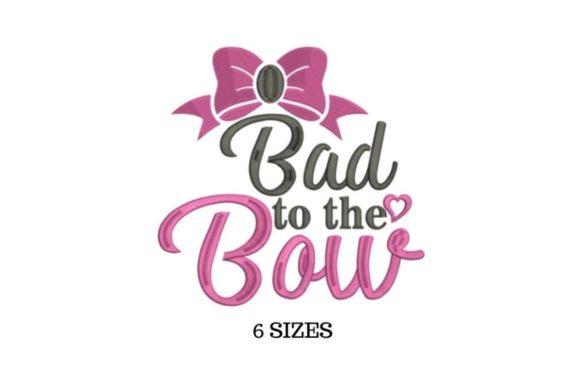
As an embroidery designer who has spent years digitizing files and consulting with small business owners, I approach every new machine embroidery design with a critical eye. It is not just about whether a pattern looks cute on a screen; it is about how it performs under the needle, how it elevates a brand, and whether it holds up in the real world of commercial production. Recently, I evaluated Bad to Bow, a digital asset categorized under Boys and Embroidery, to determine its viability for branded merchandise, patches, and custom apparel.
The product description markets this as a cute embroidery perfect to complete your collection, noting that you can sew it on any kind of clothes or accessories to create the perfect own-made decoration for kids. While the marketing leans heavily into the juvenile and playful demographic, my review focuses on its broader application for boutique owners, Etsy sellers, and creative studios looking to expand their product lines.
First Impressions: Visual Personality and Brand Fit
Upon initial inspection, Bad to Bow presents a distinct visual personality. The title suggests a playful rebellion or a twist on traditional expectations, which can be a powerful hook for modern parents and gift buyers. The design feels friendly and decorative, striking a balance between boldness and charm. For a small business, this aesthetic is versatile. It does not scream "corporate," nor does it feel overly rustic. Instead, it sits comfortably in the realm of handmade premium quality.
For brands targeting the boys' market, this design offers a fresh alternative to standard trucks or sports motifs. However, its appeal extends beyond gender-specific marketing. The concept of a "bow" combined with an attitude can work for unisex streetwear, playful pet accessories, or even ironic adult apparel. The key is how you position it within your brand identity. If your shop values whimsy and high-quality craftsmanship, this design aligns well with those values.
Real-World Applications for Small Business Merch
The true test of any digital embroidery file is its adaptability across various substrates. Here is how Bad to Bow performs in common commercial scenarios:
- Embroidered Patches: This is perhaps the strongest use case. A patch allows for consistent branding without the risk of hooping difficult garments. You can produce batches of Bad to Bow patches and apply them to denim jackets, backpacks, or tote bags. This creates a cohesive look for small business merch while minimizing production time per unit.
- Cap Embroidery: Caps are high-margin items for cafes and boutiques. The design needs to fit the curved front panel. If the stitch count is moderate, it can serve as a central logo accent. However, always check the width against your standard cap hoop to ensure no distortion occurs on the curved surface.
- Apron Embroidery: For bakeries, florists, or creative studios, branded aprons are essential. Placing this design on the chest or pocket area adds a touch of personality to staff uniforms. It signals to customers that the business values detail and has a fun, approachable culture.
- Tote Bag Design: Canvas totes are a staple for eco-conscious brands. The texture of canvas requires careful attention to stitch density. If the design is too dense, it may pucker the fabric. If it is too light, the bag's weave might show through. Testing on actual canvas is non-negotiable here.
- Custom Apparel for Kids: As the description suggests, this is ideal for children's clothing. Whether on a t-shirt sleeve or a hoodie chest, it serves as a unique selling point for parents looking for something other than mass-produced graphics.
Technical Considerations and Production Risks
While the aesthetic is promising, technical execution determines profitability. Before running a full batch of commercial embroidery, consider these potential pitfalls:
- Stitch Density and Fabric Texture: Detailed outlines can cause registration issues on textured fabrics like fleece or terry cloth. If Bad to Bow features fine lines, they may get lost or break during washing. Always test on the specific fabric you intend to sell.
- Small Patch Sizes: If you plan to shrink this design for a label or a tiny patch, verify that the details remain legible. Complex shapes often merge when scaled down. Simplify the design if necessary, or increase the size to maintain clarity.
- Thread Color Contrast: The design’s impact relies heavily on color choice. On dark uniforms, ensure you use high-contrast thread colors. A low-contrast combination will make the design invisible from a distance, reducing its effectiveness as a branding tool.
- Stabilizer Selection: The right stabilizer is crucial. For stretchy fabrics like jersey knits used in kids' clothes, a cut-away stabilizer is often necessary to prevent distortion after repeated washes. For woven caps, a stiff backer might be required to support the stitches.
Enhancing Brand Identity and Customer Trust
In the crowded marketplace of handmade goods, consistency is king. Using a distinctive design like Bad to Bow across multiple touchpoints builds recognition. When a customer sees the same embroidered motif on a tote bag, a cap, and a product tag, it reinforces brand identity. It signals professionalism and attention to detail.
Moreover, high-quality embroidery conveys value. A well-stitched design suggests that the finished product is durable and worth the price. This perception increases customer trust and encourages repeat purchases. For Etsy sellers, offering items with unique, well-executed embroidery differentiates them from competitors using generic print-on-demand services.
Practical Designer Notes for Implementation
Before adding Bad to Bow to your catalog, follow these steps to ensure success:
- Test in Black and White: Remove color from the preview to check for structural integrity. If the design falls apart without color differentiation, it may rely too much on shading rather than stitch structure.
- Verify Hoop Size: The product description does not specify exact dimensions. Check the file metadata to confirm the hoop size requirements. Ensure it fits your machine’s largest hoop if you plan to scale it up.
- Create a Printable Mockup: Use a printable mockup to visualize the design on different products before stitching. This saves time and thread during the prototyping phase.
- Confirm Commercial Licensing: Never assume a file is free for commercial use. Read the license terms provided with the embroidery file. Ensure you have the rights to sell physical items made with this design.
- Compare with Design Assets: Place Bad to Bow next to your existing logos and patterns. Does it complement your current style, or does it clash? Visual consistency across your design assets strengthens your brand narrative.
In conclusion, Bad to Bow offers significant potential for small businesses willing to invest in proper testing and placement. It is more than just a cute decoration for kids; it is a versatile element that can enhance custom apparel, branded patches, and boutique merchandise. By paying attention to stitch density, fabric compatibility, and brand alignment, you can turn this digital file into a profitable physical product. Always prioritize quality control, and let the embroidery speak for the craftsmanship of your brand.