Love Pumpkin Spice: A Designer’s Review for Craft Fair Success
As an embroidery designer who has spent countless hours behind the hoop and even more time standing behind a booth table at local markets, I have learned that not every design is created equal. Some look beautiful on a screen but fail to capture attention in person. Others are technically impressive but take too long to stitch, eating into profit margins. Today, I am putting Love Pumpkin Spice under the microscope. This machine embroidery design promises to be fun, easy to stitch, and elegant on any fabric. But does it hold up when you are trying to move inventory during a busy Thanksgiving rush? Let’s break it down from the perspective of a seller who needs products that perform.
First Impressions: Balancing Fun and Elegance
The title Love Pumpkin Spice immediately sets a specific mood. It taps into the seasonal nostalgia that drives autumn sales, yet the description suggests an air of sophistication. In my experience, the most successful craft fair products strike a balance between festive fun and premium quality. If a design looks too cartoonish, it limits your audience to children or novelty seekers. If it is too stiff, it lacks the warmth buyers look for in handmade items.
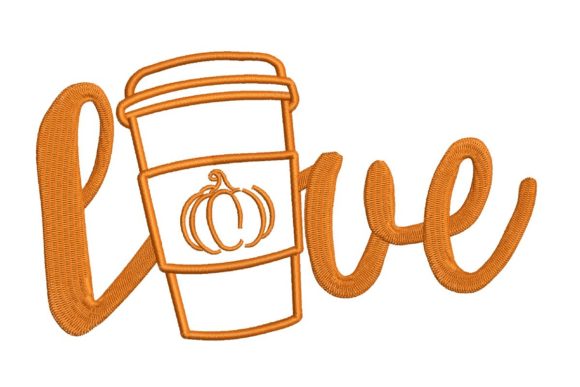
Based on the promise that this embroidery file is both fun and elegant, I envision a design that uses clean lines and perhaps a mix of script and sans-serif fonts, or a stylized pumpkin motif that feels modern rather than rustic. This versatility is crucial. It allows the design to fit seamlessly into a farmhouse kitchen aesthetic while still appealing to a modern boutique shopper looking for a chic tote bag. The key here is "easy to stitch." For a small shop product, efficiency is everything. A design that runs smoothly without excessive jump stitches or thread breaks is a goldmine for batch production.
Product Application: Where Does It Shine?
When preparing for a weekend craft fair, I always curate my table with a mix of price points and utilities. Here is how I see Love Pumpkin Spice performing across different mediums:
- Tote Bag Design: This is likely the strongest contender. A large, centered placement on a canvas tote creates an instant statement piece. Shoppers love functional art, and a high-quality embroidery adds perceived value that a printed vinyl design simply cannot match.
- Apron Embroidery: Kitchen textiles are huge during the holiday season. Placing this design on the bib of a linen apron makes for a thoughtful gift item. The elegance mentioned in the description suggests it would look sophisticated against neutral fabrics like oatmeal or sage green.
- Tea Towel Embroidery: For a lower price point, tea towels are excellent impulse buys. However, you must be cautious. Ensure the design is not too dense, as thick stitching can make thin cotton towels pucker or feel stiff.
- Embroidered Patch: If the design scales well, turning it into an iron-on or sew-on patch allows customers to customize their own jackets or denim. This expands your market beyond just finished goods.
- Caps and Pouches: These are tricky. Curved surfaces require careful digitizing. If the design has large solid areas, it might pull on the cap fabric. Test thoroughly before committing to a large batch.
Production Practicality and Visual Appeal
From a business standpoint, the phrase "easy to stitch" is music to my ears. When you are producing fifty units for a fair, every minute counts. A design that is optimized for speed without sacrificing quality allows you to keep costs down and prices competitive. Furthermore, the claim that it looks gorgeous on any fabric suggests good adaptability. However, as a professional, I know that "any fabric" requires some nuance.
Visual appeal at a craft fair is about stopping power. Customers walk past dozens of tables. Your embroidered items need to catch the eye from three feet away. Love Pumpkin Spice needs strong contrast. If you are stitching on dark fabric, ensure your thread colors pop. If the design relies on subtle shading, it might get lost in a busy booth environment. I recommend using this design on solid, light-to-medium colored fabrics where the stitch definition can truly shine. This clarity also translates well to online listings for Etsy sellers. A crisp, well-lit photo of the embroidery texture can significantly boost click-through rates.
Careful-Use Notes for Best Results
While the design is described as high-quality, no digital embroidery file is magic. You must apply technical diligence. Be wary of dense stitch areas if you are working with delicate fabrics like silk or lightweight rayon. Thick fabrics, such as heavy denim or textured terry cloth towels, may require adjustments in tension or stabilizer choice. Tiny details and small lettering can sometimes lose clarity if the design is scaled down too much for small pouches or ornaments. Always check the legibility of any text elements at the intended size.
Additionally, consider the surface. Curved cap surfaces require a specialized cap frame and potentially a different digitizing approach to prevent distortion. If the design includes large filled areas, ensure your stabilizer is robust enough to prevent puckering, especially on stretchy materials.
Enhancing Brand Consistency and Buyer Engagement
Using a cohesive design like Love Pumpkin Spice helps build brand recognition. If you use similar color palettes and styling across your tote bags, aprons, and pillows, your booth looks curated and professional. This consistency signals quality to the buyer. It tells them that you are not just slapping logos on blanks, but that you are a thoughtful creator. This perception increases the perceived value of your handmade product, allowing you to command higher prices.
Buyer engagement also increases when the product tells a story. This design fits perfectly into the Thanksgiving narrative. It evokes feelings of warmth, gathering, and comfort. When customers connect emotionally with the item, they are more likely to purchase. Use this to your advantage in your display signage and product descriptions.
Designer’s Checklist Before Production
Before you load this digital embroidery file into your machine for a full production run, follow these essential steps:
- Test on Scrap Fabric: Never skip this. Stitch out the design on the exact fabric type you plan to sell. Check for puckering, thread breaks, or registration issues.
- Check Thread Contrast: View your test stitch from a distance. Does the design stand out? Adjust thread colors if necessary to ensure visibility.
- Review Spacing and Density: Feel the back of the embroidery. Is it too stiff? If so, consider reducing stitch density if your software allows, or changing your stabilizer.
- Confirm Hoop Size: Ensure the design fits comfortably within your hoop with adequate margin for framing. Do not push the limits of the hoop edge.
- Inspect Stitch Density: High density can cause needle heat and thread breakage. Ensure the design is balanced for your machine’s capabilities.
- Use the Right Stabilizer: Match your stabilizer to your fabric. Cut-away for knits, tear-away for wovens, and water-soluble for delicate or textured fabrics.
- Create a Real Mockup: Photograph the finished product in natural light. Use this image for your printable mockup and online listings to set accurate customer expectations.
- Verify Commercial Licensing: The description mentions it comes with multip, which likely implies multiple formats or sizes, but always confirm the license terms. Ensure you have the right to sell finished products made with this commercial embroidery design.
In conclusion, Love Pumpkin Spice appears to be a strong asset for any embroidery business owner looking to capitalize on the autumn season. Its blend of fun and elegance, combined with ease of stitching, makes it a practical choice for a variety of craft fair products. By paying attention to fabric choice, stabilizer selection, and presentation, you can turn this digital file into a best-selling physical product that delights customers and boosts your bottom line.