Reviewing Christmas Skeletons for Craft Fair Success
As an embroidery designer who has spent countless weekends behind a booth table, I know that the difference between a slow day and a sold-out display often comes down to one thing: visual impact. When I first loaded the Christmas Skeletons machine embroidery design into my software, I was looking for more than just festive flair. I was looking for a product that would stop shoppers in their tracks. This design promises a beautiful and fun aesthetic, perfect for decorating clothes and home items. But does it hold up under the harsh lighting of a craft fair tent? Let’s break it down from a producer’s perspective.
First Impressions and Visual Appeal
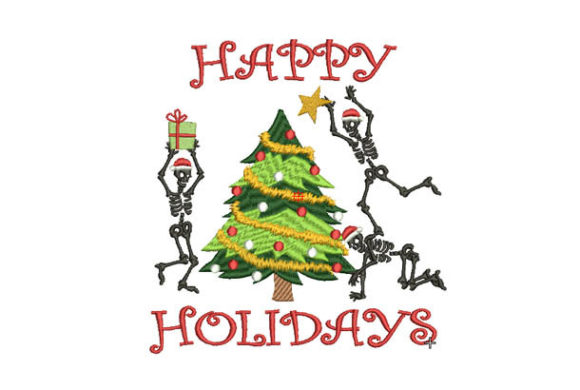
The title Christmas Skeletons suggests a playful twist on traditional holiday motifs. In today’s market, buyers are moving away from strictly conventional red-and-green imagery and toward designs that offer personality and humor. This design feels festive yet modern, striking a balance that appeals to a wide demographic. It is not overly rustic or strictly farmhouse; instead, it carries a whimsical energy that works well for giftable handmade items.
For a craft fair seller, clarity is king. Shoppers scan tables quickly. A design must be understandable at a glance. Christmas Skeletons appears to have strong outlines and distinct shapes, which is crucial for visibility from three feet away. If the design relies on tiny details or subtle shading, it might get lost on a busy table. However, based on its description as a "beautiful design," it likely features clean lines that translate well into thread, ensuring the motif remains recognizable even on textured fabrics.
Product Versatility for Handmade Shops
One of the biggest advantages of a versatile digital embroidery file is its adaptability. I evaluated how Christmas Skeletons would perform across various small shop products. Here is where this design truly shines:
- Tote Bag Design: A large hoop placement on a canvas tote makes this a standout item. The contrast of white or metallic thread against natural canvas creates a premium look that justifies a higher price point.
- Apron Embroidery: Holiday hosting is huge in December. An apron featuring this fun motif becomes an instant gift idea for the hostess who has everything.
- Tea Towel Embroidery: Kitchen textiles are impulse buys. Placing the design on the corner or center of a flour sack towel adds value without requiring excessive stitch time.
- Embroidered Patch: If the design scales down well, turning it into an iron-on patch allows customers to customize their own jackets or bags, expanding your target audience.
- Caps and Beanies: Curved surfaces are tricky, but a simplified version of this design could work beautifully on winter hats, adding a quirky touch to cold-weather gear.
For Etsy sellers and boutique makers, this versatility means you can create a cohesive collection. You aren’t just selling one item; you are selling a theme. This consistency strengthens brand identity and makes your booth look professional and curated.
Production Practicality and Batch Selling
When preparing for a weekend market, efficiency is critical. You cannot spend hours on a single item if you need inventory volume. Christmas Skeletons seems ideal for batch production. Since it is described as perfect for decorating clothes and home, it likely avoids excessive density that causes puckering or breaks needles.
However, every embroidery designer knows the importance of checking the technical specs. Before running a full batch, you must review the stitch density. High-density areas can make fabric stiff, which is undesirable for wearable items like aprons or soft goods like pillow covers. Always test the design on scrap fabric first. Check how the thread colors interact with your chosen material. For example, using variegated thread might add depth, but solid colors often provide better clarity for complex shapes.
Photography is another key factor. A design that looks good in person must also photograph well for your online listings. Christmas Skeletons should create nice shadows and highlights due to the raised texture of the stitches. Use these textures in your printable mockup and digital assets to show potential buyers the quality of the finished product.
Careful-Use Notes for Quality Control
While this design is festive and fun, there are practical constraints to consider. Not all fabrics behave the same way. Here are some cautionary points for maintaining high-quality standards:
- Fabric Texture: Thick, textured towels can obscure fine details. Ensure the design elements are bold enough to stand out against loops or weave patterns.
- Dark Fabric: If stitching on black or navy, ensure you use high-contrast thread colors. Without proper contrast, the design may lose its definition and look muddy.
- Curved Surfaces: Embroidering on caps requires careful hooping and stabilizer selection. Distortion can ruin the symmetry of skeleton figures, so practice on cheap blanks first.
- Small Lettering: If the design includes any text, verify that it remains legible at smaller sizes. Tiny letters often merge together when stitched, ruining the professional look.
- Stabilizer Choice: Always match your stabilizer to the fabric weight. A cut-away stabilizer is best for stretchy knits, while tear-away works for stable wovens like cotton twill.
Maximizing Sales and Customer Engagement
How does Christmas Skeletons affect buyer engagement? It sparks curiosity. Traditional holiday designs are safe, but unique designs start conversations. When a customer asks about the quirky skeleton, you have an opportunity to share your process, explain the quality of your commercial embroidery work, and build a connection. This personal interaction increases the perceived value of the handmade product.
Furthermore, this design supports cross-selling. A customer buying a tote bag might be intrigued by a matching embroidered patch or a small pouch. By offering the same design across multiple price points, you cater to different budgets while maintaining a cohesive booth aesthetic.
Final Designer Recommendations
Before you commit to producing inventory, take these final steps to ensure success. First, confirm the hoop size requirements. Does the design fit your most commonly used hoops? Second, check the license terms. Since this is a digital embroidery file, ensure you have the right to sell finished products commercially. Most designers allow this, but it is always wise to double-check.
Create at least one real mockup. Stitch the design on the exact fabric you plan to sell. Compare it against other items in your lineup. Does it complement your existing color palette? Does it feel premium? If the answer is yes, then Christmas Skeletons is ready for your craft fair table.
In conclusion, this design offers a blend of humor and holiday spirit that resonates with modern shoppers. It is versatile enough for various applications, from apparel to home decor, and practical enough for efficient production. By paying attention to stitch density, fabric choice, and presentation, you can turn this digital asset into a best-selling physical product. Embrace the fun, maintain high quality, and let your creativity shine this holiday season.