Snowman with Christmas Sock: A Designer’s Review
As an embroidery designer who has spent years digitizing files for small businesses, I approach every new machine embroidery design with a critical eye. It is not just about whether a motif looks cute on a screen; it is about how that design performs in the real world of commercial production. Today, I am reviewing the Snowman with Christmas Sock, a festive piece that promises versatility across various fabric types. For shop owners, Etsy sellers, and boutique creators, understanding the practical application of this digital embroidery file is crucial before adding it to your product line.
First Impressions and Visual Personality
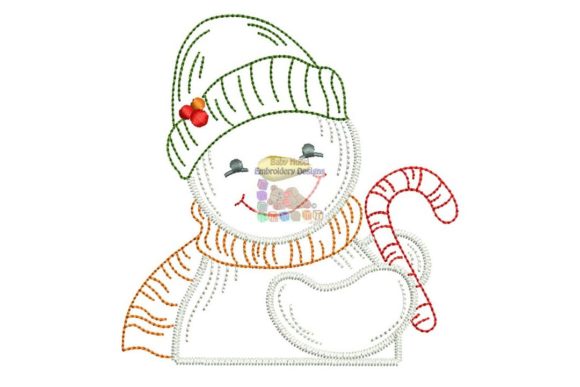
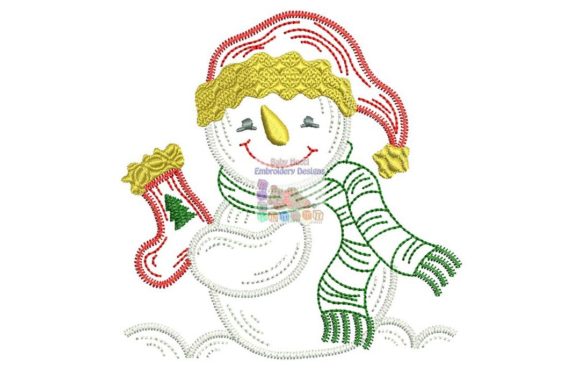
The initial impression of the Snowman with Christmas Sock is one of approachable warmth. It does not try to be overly complex or hyper-realistic. Instead, it leans into a playful, handmade aesthetic that resonates well with customers seeking authentic, cozy goods. The inclusion of the Christmas sock adds a narrative element, suggesting comfort and holiday tradition. For brands that position themselves as friendly, local, or family-oriented, this visual personality is a strong asset. It feels less like a corporate logo and more like a charming signature mark.
However, from a technical standpoint, "adorable" can sometimes translate to "difficult to stitch" if the details are too fine. The description notes that this design works on towels, t-shirts, sweatshirts, and decorative pillows. This range suggests a moderate level of detail that must balance visibility on textured surfaces like terry cloth while remaining clean on smooth cotton blends. As a designer, I look for bold shapes that hold their integrity, and this snowman appears to rely on solid fills rather than intricate micro-details, which is a positive sign for durability.
Real-World Applications for Small Business Merch
When considering small business merch, versatility is key. The Snowman with Christmas Sock offers several viable applications for branded products. Here is how I envision this design performing in a commercial setting:
- Embroidered Patches: This is perhaps the strongest use case. A patch allows you to apply the design to multiple items without re-hooping each garment. It works exceptionally well for limited-edition holiday drops.
- Apron Embroidery: For bakeries, florists, or craft studios, stitching this snowman on the chest pocket of staff aprons creates a unified, festive team look without overwhelming the uniform.
- Tote Bag Design: Canvas totes are a staple for retail shops. Placing this design on the lower corner or center of a tote adds value to a simple bag, turning it into a desirable handmade product.
- Cap Embroidery: While possible, curved surfaces require careful digitizing. If the design is wide, it may distort on a standard cap front. It is better suited for beanies or slouchy hats where the fabric is flatter.
- Customer Gifts: Small run items like hand towels or decorative pillows featuring this snowman make excellent loyalty rewards or high-tier purchase incentives.
For custom apparel lines, this design serves as an excellent accent. It is not necessarily a primary logo replacement but acts as a seasonal enhancer. Think of it as a sleeve detail on a sweatshirt or a small chest emblem on a work shirt. This subtlety often appeals to customers who want to show brand pride without wearing a massive billboard on their chest.
Technical Considerations and Production Risks
While the aesthetic appeal is clear, we must address the technical realities of commercial embroidery. Not every fabric behaves the same way, and not every hoop size accommodates every design. Before running a full production batch, there are specific areas where the Snowman with Christmas Sock requires careful evaluation.
First, consider stitch density. If the snowman’s body or the sock features heavy saturation, it can cause puckering on lightweight fabrics like thin t-shirts. Conversely, if the density is too low, the underlying fabric color might show through, ruining the contrast. You must test this on the exact material you intend to use. Towels, for instance, have a high pile that can swallow small stitches, so the outline needs to be bold enough to remain visible.
Second, think about thread colors. The description mentions it looks great on any clothes, but contrast is vital. A white snowman on a white sweatshirt will vanish unless you use a contrasting border or shadow stitch. Always create a printable mockup to check visibility against your standard inventory colors. Dark uniforms may require a lighter thread palette, which could alter the intended look of the Christmas sock.
Third, be mindful of hoop size limitations. If you are stitching on small items like baby onesies or narrow towel hems, ensure the design fits within your smallest hoop without compromising the stabilizer coverage. Using the wrong stabilizer can lead to registration issues, where the snowman looks skewed or stretched.
Impact on Brand Identity and Customer Trust
Consistency builds trust. When a customer sees the same high-quality Snowman with Christmas Sock on your packaging, your social media, and your physical products, it reinforces your brand identity. It signals that you pay attention to detail and care about the presentation of your design assets.
For Etsy sellers and crafters, offering a professionally embroidered item elevates the perceived value of the finished product. It moves the item from a simple commodity to a curated gift. However, professionalism also means knowing when not to use a design. If the snowman does not align with your year-round branding, limit its use to seasonal collections to maintain visual consistency. Overusing seasonal motifs can dilute brand recognition.
Practical Designer Notes for Implementation
Before you commit to purchasing or using this file for client work, follow these steps to ensure success:
- Test in Black and White: Remove color variables to check if the shape holds up. If the snowman loses definition in monochrome, the design may be too reliant on color blocking rather than form.
- Check Scale: Resize the design to the smallest intended application, such as a 2-inch patch. Ensure the details do not merge or become indistinguishable.
- Verify Licensing: Confirm the terms of the digital embroidery file. Ensure it allows for commercial use on physical goods you intend to sell. Never assume a license covers mass production without reading the fine print.
- Fabric Testing: Stitch a sample on the actual fabric texture you will use. Check for pull, puckering, or thread breaks.
- Client Approval: If working for a client, provide a realistic mockup showing the design on their specific garment type to manage expectations regarding size and placement.
In conclusion, the Snowman with Christmas Sock is a promising addition to a holiday-themed catalog. It offers the charm needed for boutique merchandise and the simplicity required for efficient production. By respecting the technical limits of embroidery and aligning the design with your brand’s voice, you can create products that delight customers and stand up to the rigors of daily wear. Always prioritize quality control and testing to ensure your embroidered patch or apparel item reflects the professionalism your business represents.