Reviewing the Twat Embroidery Design for Real Projects
As a designer who has spent countless hours digitizing patterns and troubleshooting machine glitches, I approach every new machine embroidery design with a mix of curiosity and caution. When I first loaded the file named Twat into my software, I wasn’t just looking at pixels; I was visualizing how those stitches would pull on fabric, how the thread would catch the light, and whether this asset would hold up in a real-world embroidery project. The description promises a weekend hobby vibe, urging us to be proud of our artwork, but professional crafters know that pride comes from precision, not just enthusiasm.
First Impressions and Visual Personality
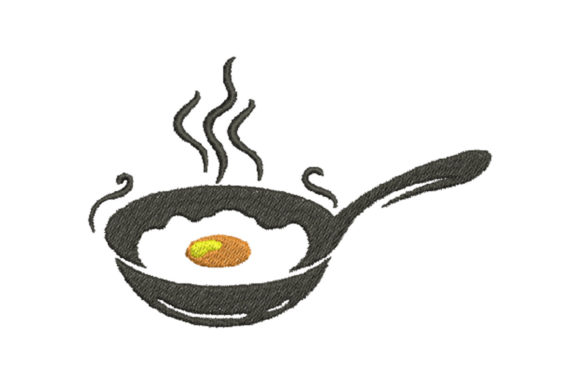
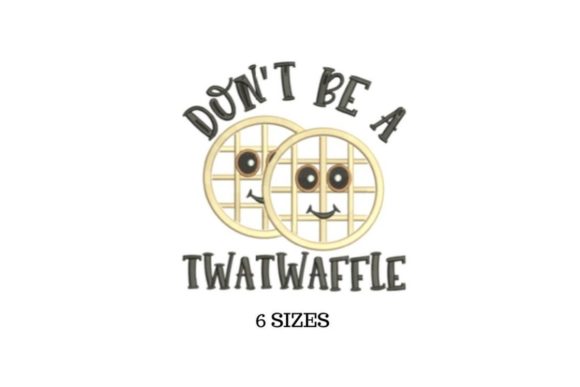
The initial view of Twat suggests a playful, relaxed aesthetic. It fits squarely into a niche that appeals to modern makers who want their handmade product lines to feel personal and slightly irreverent. The layout appears balanced, avoiding the cluttered look that plagues many amateur digital files. For an Etsy seller or small shop owner, visual clarity is currency. If a customer cannot instantly recognize the motif on a thumbnail image, they scroll past. This design seems to prioritize bold shapes over excessive intricacy, which is often a smart move for durability and stitch clarity.
However, the categorization under "Dessert" raised an eyebrow. Is this a sweet treat interpretation, or a textual play? Regardless of the semantic confusion, the practical application remains the same. We must evaluate how the design translates from screen to needle. The mood it creates is casual and fun, making it a strong candidate for lifestyle items rather than formal wear. It feels like something you would see on a cozy Sunday morning, aligning perfectly with the "let the weekend begin" ethos mentioned in the product notes.
Real-World Application Scenarios
To truly test the viability of Twat, I mentally placed it on several common substrates. My first thought was a heavy cotton tote bag design. The sturdy canvas of a tote can handle moderate stitch density without puckering, making it an ideal candidate for this type of graphic. Imagine a natural beige bag with this design stitched in a contrasting deep navy or forest green. It becomes an instant statement piece for a boutique brand.
Next, I considered sweatshirt embroidery. Here, the texture of the fleece matters. If the design relies heavily on fine running stitch details, they might get lost in the pile of the fabric. However, if it utilizes solid fill stitch areas or bold satin stitch borders, it will pop beautifully against the soft background. This is crucial for custom apparel businesses where the perceived value depends on the crispness of the final image. A blurry or sunken design looks cheap; a raised, well-defined one looks premium.
I also evaluated its potential for baby embroidery items. While the playful nature fits, one must be cautious about scratchy threads or dense backing on sensitive skin. If this design is intended for onesies or bibs, using a soft cut-away stabilizer and high-quality rayon or polyester thread is non-negotiable. The "weekend hobby" angle might appeal to parents making personalized gifts, but comfort must never be sacrificed for aesthetics.
Technical Considerations and Stitch Behavior
The product description notes that this digital embroidery file comes in multiple formats. This is standard, but vital. Before committing to a large production run, you must verify that the conversion between formats (such as PES, DST, or JEF) has not altered the stitch path. I always recommend opening the file in your specific machine’s software to check for any unintended jumps or trims.
Stitch density is another critical factor. Without exact numbers provided, we must rely on visual inspection. If the design appears overly packed with stitches, it risks causing fabric distortion, especially on lighter materials like t-shirts or kitchen towels. On the other hand, if the density is too low, the underlying fabric may show through, ruining the color vibrancy. A balanced design uses density strategically—higher in solid areas, lower in transitions.
For those considering this for an embroidered patch, the edge finishing is key. Does the design have a clean border? Patches require tight satin stitches around the perimeter to prevent fraying after cutting. If Twat lacks a defined edge, you may need to add a manual border in your digitizing software, which adds time and complexity to your workflow.
Navigating Fabric and Hoop Constraints
Not every surface is forgiving. When working with textured fabrics or stretchy materials, the behavior of the design changes. On a curved surface like a cap, the design must be centered perfectly to avoid distortion during stitching. Small hoop sizes can also be a limitation if the design is larger than expected. Always confirm the maximum dimensions before purchasing. If the design is too large for a 4x4 hoop but you only have that size available, you will face unnecessary frustration.
Dark fabrics present their own challenge. If the design includes light colors, you may need an underlay stitch or a backing material to prevent the dark fabric from bleeding through. Testing on scrap fabric is not just a suggestion; it is a requirement. I always stitch a test sample on the actual garment material I plan to use. This reveals issues with tension, thread breaks, or registration errors that a screen preview cannot show.
Commercial Viability and Brand Consistency
For craft business owners, consistency is brand identity. If Twat fits your aesthetic, it can become a signature element. However, ensure that the style matches your other design assets. A mismatched style can confuse customers and dilute brand recognition. Additionally, consider the commercial embroidery license. The description mentions it can be used for multipurpose projects, but always read the specific terms. Can you sell the finished physical item? Can you resell the digital file? Clarifying this protects your business from legal issues.
When creating printable mockup images for your online store, this design’s simplicity works in your favor. It renders clearly in photos, allowing customers to visualize the end product. High-quality mockups combined with a well-executed stitch-out can significantly boost buyer engagement and trust.
Final Verdict for the Practical Maker
The Twat embroidery design offers a charming, weekend-ready vibe that suits casual, personalized items. It is best suited for medium-to-heavy weight fabrics where its shape and detail can shine without distortion. Whether you are creating a holiday embroidery gift, a quirky tea towel, or a standout piece for your small shop product line, this design has potential. However, success lies in the preparation. Check your hoop size, test your stabilizer, and verify your thread colors. By treating this file with the respect due to any professional tool, you can transform a simple digital asset into a cherished finished product that customers love.