Melanin Queen African American Design Review
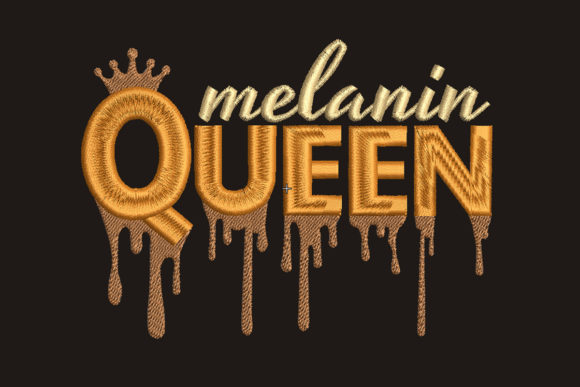
As an embroidery designer who has spent years digitizing files for small businesses, I approach every new machine embroidery design with a critical eye. It is not just about whether the artwork looks pretty on a screen; it is about how that design translates into thread, how it holds up on fabric, and most importantly, how it serves the brand identity of the business owner using it. Today, I am reviewing the Melanin Queen African American design, a piece rooted in the rich cultural heritage of Africa, to determine its viability for commercial use.
The product description invites us to be proud of melanin-rich skin and complement beauty with this cool embroidery design. It suggests stitching it on t-shirts, jeans, tote bags, bandanas, jackets, or anything else. For a professional decorator, this versatility is both a promise and a challenge. Let us break down how this digital embroidery file performs when moved from the computer to the hoop.
First Impressions and Visual Personality
When I first loaded the preview for Melanin Queen African American, the immediate impression was one of boldness and pride. The title itself carries weight, suggesting a design that is not subtle or shy. In the context of branded merchandise, this is a strong asset. Small business owners often struggle to find designs that communicate a clear message without feeling cluttered. This design appears to lean into a modern, celebratory aesthetic.
For boutiques and handmade brands, the visual personality here is key. It feels less like a rustic, vintage mark and more like a contemporary statement piece. If your client base values representation and cultural pride, this design aligns perfectly with their values. However, because the theme is specific, it requires careful placement. It is not a generic logo; it is a declaration. This makes it ideal for statement apparel rather than subtle uniform branding.
Performance in Real Business Applications
Let us look at where this design truly shines in a commercial setting. The description mentions t-shirts, jeans, and jackets, but as a designer, I see broader potential for small business merch.
- Tote Bag Design: Canvas totes are a staple for bookstores, florists, and eco-friendly brands. A bold, culturally significant design like this can turn a simple bag into a high-value item. The sturdy nature of canvas supports heavier stitch counts, allowing the details of the queen motif to stand out without sinking into the fabric.
- Custom Apparel and Jackets: Denim jackets are trending heavily in the handmade market. Embroidering this design on the back or over the heart creates a premium, custom feel that printed graphics cannot match. The texture of the thread against denim adds depth and perceived value.
- Embroidered Patch Production: One of the safest ways to utilize a complex design is by creating an embroidered patch. This allows you to test the stitch density on a stable backing before applying it to garment. Patches can then be sold separately or applied to hats, bags, and uniforms, offering flexibility in inventory management.
- Event Merch and Gifts: For community events, cultural festivals, or black-owned business showcases, this design serves as an excellent centerpiece for limited-edition runs. It fosters community connection and buyer engagement through shared identity.
Critical Considerations for Production
While the artistic merit is clear, we must address the technical realities of machine embroidery. Not every surface is suitable for every design. Here is where caution is required.
Cap Embroidery Challenges: The description mentions bandanas and caps. Caps have curved, structured fronts. If the Melanin Queen African American design has wide dimensions or intricate horizontal details, it may distort on a cap front. Always check the width against your standard cap hoop. If the design is too wide, it will pull the fabric, causing gaps in the stitching or puckering around the edges.
Fabric Texture and Stabilizer: Stitching on jeans or heavy jackets requires a cut-away stabilizer to prevent distortion over time. Conversely, if you are stitching on a lightweight t-shirt, you must use a tear-away or no-show mesh stabilizer to avoid stiffness. The "cool" factor mentioned in the description can quickly turn into a "scratchy" complaint if the backing is not chosen correctly. Always test on the actual fabric texture you plan to use.
Small Patch Sizes: If you intend to shrink this design for a small chest logo or a tiny label, you must inspect the spacing. Fine details in African-inspired patterns can merge together if scaled down too far. What looks crisp at four inches may become a blob of thread at one inch. Run a test stitch at your smallest intended size to ensure clarity.
Impact on Brand Identity and Trust
Using a design like Melanin Queen African American does more than decorate a product; it signals values. For small business owners, consistency in visual messaging builds trust. When customers see high-quality embroidery that respects cultural themes, it elevates the perceived professionalism of the brand. It moves the product from a commodity to a handmade product with soul.
However, authenticity is crucial. Ensure that the use of this design aligns with your brand’s voice. If your shop focuses on minimalist, corporate aesthetics, this bold, cultural design might clash. But for creative studios, beauty brands, and community-focused retailers, it enhances recognition. It tells the customer that you care about representation and quality.
Practical Designer Notes for Implementation
Before you list this item in your Etsy shop or pitch it to a client, follow these practical steps to ensure a flawless finished product.
- Test in Black and White: Before committing to expensive rayon or polyester threads, stitch the design out in black thread on white fabric. This reveals the structure and density without the distraction of color. It helps you spot any potential registration issues.
- Check Thread Color Contrast: The beauty of this design likely relies on contrast. Ensure your chosen thread colors stand out against the garment. Dark threads on dark uniforms will vanish. Use a printable mockup to visualize different color combinations before hooping.
- Confirm Hoop Size: The product description does not specify exact dimensions. You must open the embroidery file in your software to confirm the hoop size required. Do not assume it fits a 4x4 hoop just because it looks small on screen.
- Review Commercial Licensing: This is vital for business use. Confirm that the license allows for physical sales of embroidered items. Some designers restrict the number of units you can sell. Clarify this before investing in production.
- Create Client Mockups: If you are doing custom work, create a digital mockup showing the design on a jacket or tote. This manages client expectations and reduces the risk of dissatisfaction with the final placement.
In conclusion, the Melanin Queen African American design offers a powerful tool for businesses looking to add cultural depth and visual impact to their merchandise. It is not just a decorative element; it is a statement of pride. By respecting the technical constraints of embroidery—such as stabilizer choice, fabric texture, and scale—you can transform this digital asset into a high-quality physical product that resonates with customers. Whether used for a boutique’s signature tote or a community event’s uniform, this design has the potential to elevate your brand’s presence in the marketplace.